
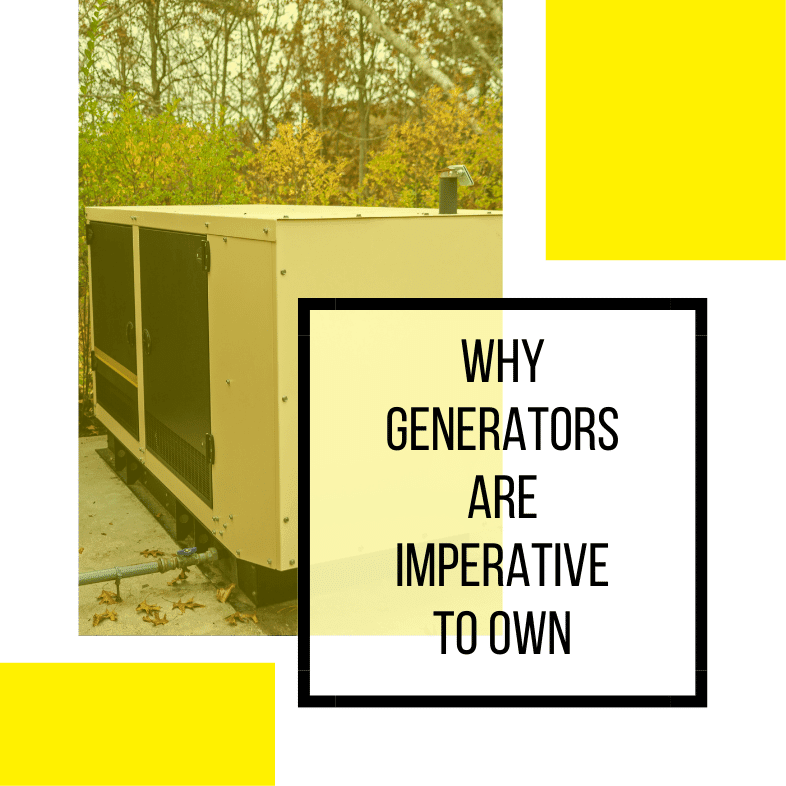
What is a generator? Generators are machines that generate electricity. They’re usually powered by gas or diesel fuel, but there are some models that run on solar power.
Generators can be used to provide emergency backup power in the event of an outage, and they come in many different sizes to meet a variety of needs. If you have a home with electric appliances such as lights, refrigerators, computers and TV sets, you may need a larger generator than someone who only has basic lighting and cooking appliances. A portable generator might be best for camping trips or other recreational activities when emergency power isn’t needed.
What is a Generator?
A generator is an electrical device that converts mechanical energy to electricity. It works by mixing fuel with air and turning the mixture into kinetic energy. This energy is then transferred to the electrical generator through electromagnetic induction.
Many people use generators not only to provide electricity when an alternate source of power is not available, such as during natural disasters but also as a public service to their neighbors. With these generators, people are able to share their electricity with others around them.
There are many other ways to use generators, however. Not only can people use them for themselves but they are also commonly found in hospitals, police stations, fire departments, and other public buildings where power might be needed in an emergency situation. If you’re interested in buying a generator of your own, there are a few things to consider.
1) Think about what you need it for – do you mostly want the generator on hand in case the electricity goes out, or do you plan to use it as a public service for your neighbors? If it’s the latter of these two options, you’ll want a portable generator that can be easily moved.
2) Think about the potential environmental impact – if you want to use it in places where there are strict laws about pollution, look into generators that are Energy Star certified. Some states offer tax credits when purchasing Energy Star appliances like these generators!
3) Check your state’s regulations on generator use – in some areas, generators can only be used at certain times. Additionally, some states might require a permit to use your generator.
Why Owning a Generator Is Important
Owning a generator is imperative if the power ever goes out. If this happens, then you can keep your appliances running and not lose any food in the freezer.
Purchasing a generator for emergency situations like hurricanes is a great way to keep on top of all things electrical. There are other times when generators are also useful, such as if it’s just too hot outside and you want to stay cool! Without a generator, all of these things would be impossible.
Owning a generator can be great for environmental purposes since you won’t have to rely on your utility company anymore, you’ll be saving energy and helping out the planet.
Generators are useful even if you are not home during an outage, your appliances will still be on when you return. If this happens, then you can avoid ruining your food left at home.
Having a generator can provide a peace of mind and ensure that family will remain comfortable in your home. Having power when there is an outage offers a great deal of satisfaction knowing your power at home is still accessible.
How to Use Your Generator Efficiently
Of course, you would want to use your generator efficiently and get the most out of it so it doesn’t run out of gas and leave you in the dark.
Using a generator for more than three hours continuously can result in shoddy performance. Keep an eye on how long it has been running and switch the load off every once in a while to give it time to cool down.
Tour your home to check where you need electricity the most so that you can plan the running of your generator better. You might have to run it for a far shorter time if, say, only the garage needs power for tools! Choosing the right sized generator for your needs is important too – look into your appliances and see how much wattage they need.
If you are sharing resources with friends or neighbors who have generators, remember this golden rule: whoever’s house is closer to the source of power gets priority. Generators are great for when the power goes out, but they’re also good to have in case you want to share electricity with your friends! If everyone has generators, then no one’s house will be left in the dark.
Owning a generator is one of the best investments you can make. Not only will it keep your house powered in case there’s ever an outage, but it’ll also be good for when neighbors want to share resources with each other while still keeping their own homes on power. Be sure to use your generator efficiently by touring your home and deciding where electricity needs are most important – this way you won’t have to run out of gas trying to cover all areas! If you’re looking for more information about our generators or need help choosing the right one contact us today! We’d love to chat with you about how owning a generator could change everything.